


Prepare your home for winter storms.
When winter weather threatens the Capital Region, preparation can make all the difference. Snow, ice, high winds, and freezing temperatures can create challenges for homeowners, from power outages and frozen pipes to heating system issues and dangerous travel conditions. By taking a few proactive steps before, during, and after a storm, you can help protect your family, your home and your comfort throughout the winter season.
Stay informed before the storm arrives.
Winter weather can change quickly, making it important to monitor forecasts regularly. A winter weather watch typically means severe conditions may develop within the next 24 to 72 hours. Use this time to review your emergency plans and make any necessary preparations. A winter weather warning indicates hazardous winter weather is expected soon and could pose risks to people, pets, homes, and vehicles. During warnings, it’s best to stay home whenever possible.
Prepare your home before temperatures drop.
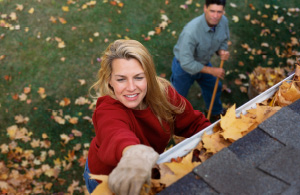
A little maintenance now can help prevent bigger problems later. Before a winter storm arrives:
- Install or inspect storm windows to improve insulation.
- Clear leaves and debris from gutters to help prevent ice dams and water damage.
- Test smoke detectors and carbon monoxide alarms.
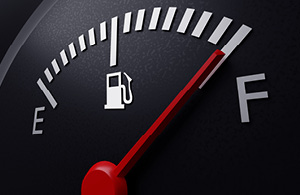
- Check heating fuel levels and schedule deliveries early if needed.
- Ensure your furnace, boiler, fireplace, and chimney have been professionally inspected and serviced.
Taking these steps can help your heating system operate more efficiently when you need it most.
Get vehicles ready for winter conditions.
Whether you’re commuting or preparing for emergencies, every vehicle should be winter-ready. Consider:
- Keeping the fuel tank full.
- Checking antifreeze levels.
- Parking vehicles in a garage or protected area when possible.
- Carrying an emergency kit with:
- Flashlight
- Drinking water
- Snacks
- Extra gloves and warm clothing
- First aid supplies
- Rock salt
- Shovel
- Road flares
- Tire chains, if appropriate
Build your emergency supply kit.
Winter storms can sometimes cause power outages and difficult travel conditions. Make sure you have:
- At least one gallon of water per person per day
- Several days’ worth of nonperishable food
- Prescription medications
- Flashlights
- Extra batteries
- NOAA weather radio
- Fire extinguisher
- Rock salt or ice melt
- Snow shovel or snow-removal equipment
Staying safe during a winter storm.
Once the storm begins, focus on safety and staying warm.
Limit travel.
Stay indoors whenever possible and continue monitoring local weather updates. If travel is necessary, use extra caution and allow additional time to reach your destination.
Protect your plumbing.
Freezing temperatures can quickly lead to burst pipes. Help protect your home by:
- Allowing faucets to drip slowly.
- Opening cabinet doors under sinks to circulate warm air.
- Knowing where your main water shutoff valve is located.
Prepare for power outages.
If electricity is interrupted:
- Never operate a generator inside a home, garage, basement, or other enclosed space.
- Avoid leaving candles unattended.
- Keep flashlights and batteries easily accessible.
Don’t forget about pets.
Pets need protection from winter weather as well.
- Bring animals indoors whenever possible.
- Provide access to fresh water and food.
- Ensure outdoor animals have warm, sheltered areas protected from wind and snow.
After the storm passes.
Even after conditions improve, winter hazards can remain. Take precautions when:
- Walking or driving on icy surfaces.
- Removing snow from driveways and sidewalks.
- Performing outdoor cleanup activities.
If shoveling snow:
- Warm up first.
- Take frequent breaks.
- Avoid overexertion.
- Stop immediately if you experience dizziness, nausea, excessive sweating, or shortness of breath.
Dress in layers and keep exposed skin covered to reduce the risk of frostbite and hypothermia.
Don’t wait until the forecast changes.
Winter storms are a fact of life in the Capital Region, but preparation can help reduce their impact on your home and family. From checking heating equipment and fuel supplies to assembling emergency kits and protecting plumbing, a little planning today can make winter weather easier to manage tomorrow.
Source: National Weather Service